Wander: Wool based wearable symbiotics for an urban environment
Coached by: Dr. Rong-Hao Liang
Conducted at: Eindhoven University of Technology
2022
Collaborators: Brecht van Bussel, Elena Pronk & Esmee Kobes
Keywords: More than human-centered design, Wearable Senses, Research through design, First person perspective, Autoethnographies, Symbiotics, Felting, Moss.
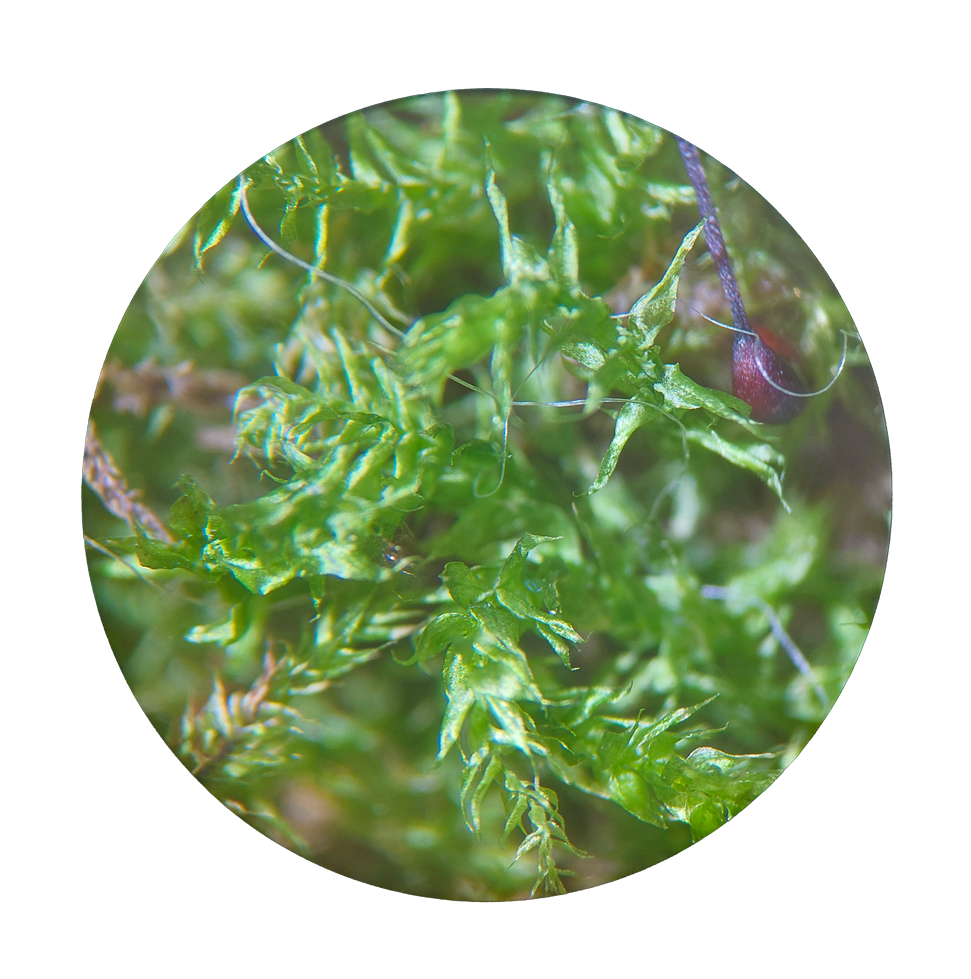
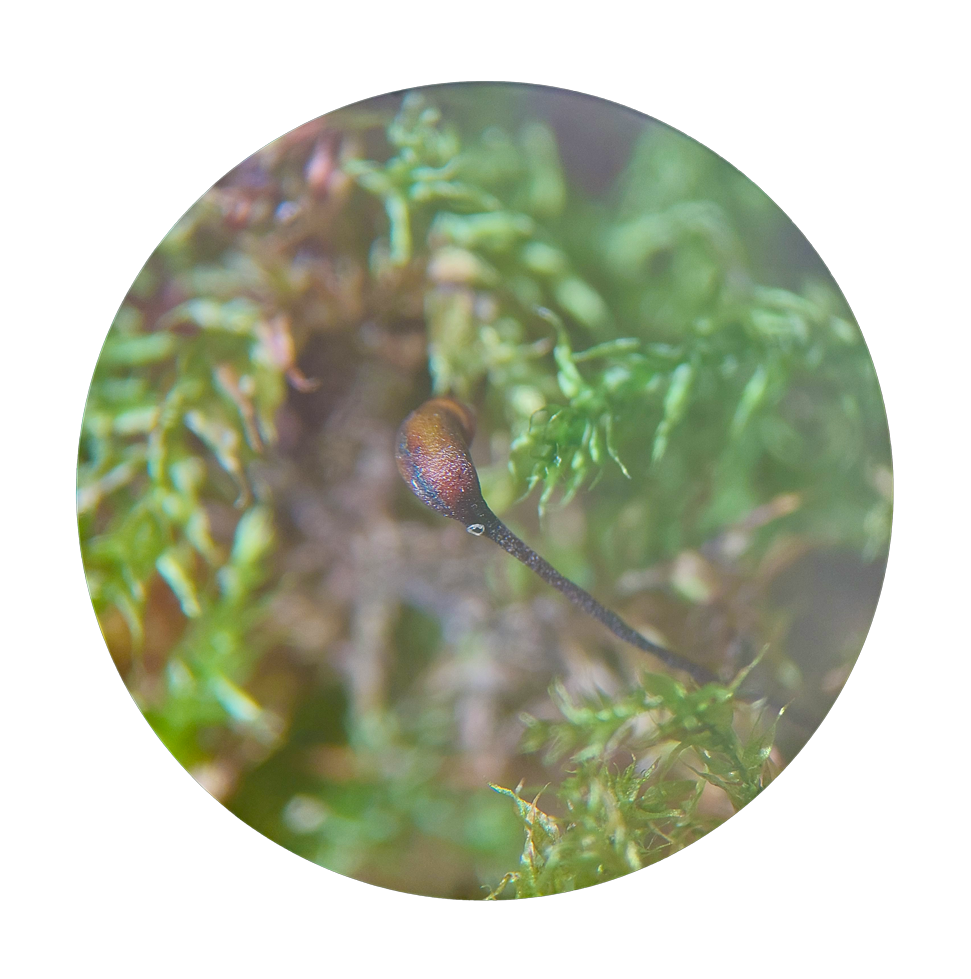
Wander is a symbiotic poncho that entangles humans and moss in a symbiotic relationship. When worn around, the moss on the garment gets to disperse its spores in an area amplified by the movement of the wearer. The wearer in turn benefits from the insulation, moisture retention, and aesthetics intrinsic to the moss. The garment is made from felted wool, which connects these two organisms, acting both as a wearable fabric and as an anchoring surface for the moss.
Wearing plants
Leading up to Wander, various prototypes were worn to explore the experience of wearing living plants. The prototypes were worn in everyday situations. Afterwards the experience was reflected upon in voice recorded autoethnographies.
The most prominent finding in this exploration was the responsibility induced in everyday scenarios. The cultural aspects of clothing and self-image were, through these prototypes, entangled with the wellbeing of the plants. As a result, the prototypes were cared for, guarded, and nurtured, as an expression.
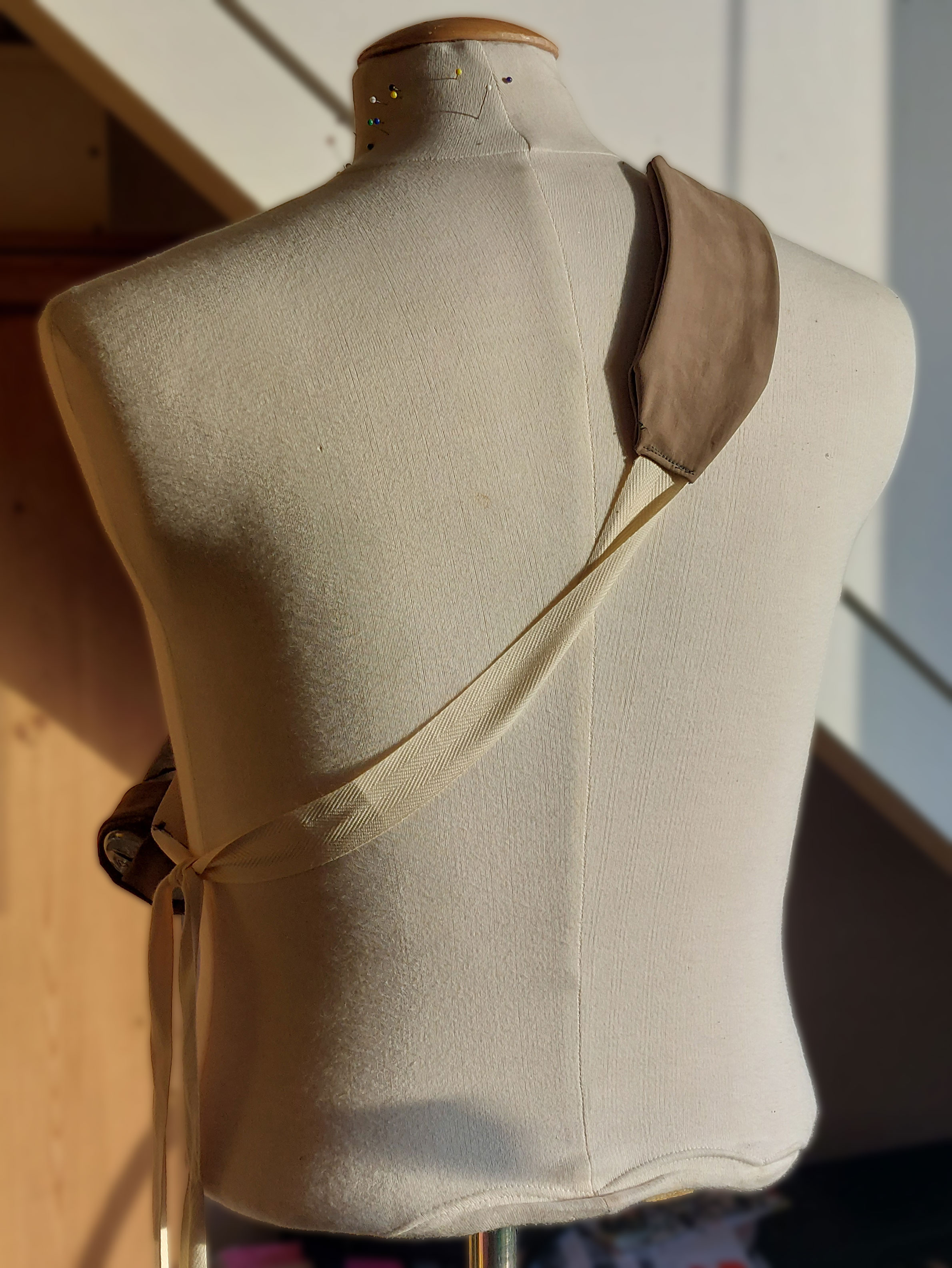
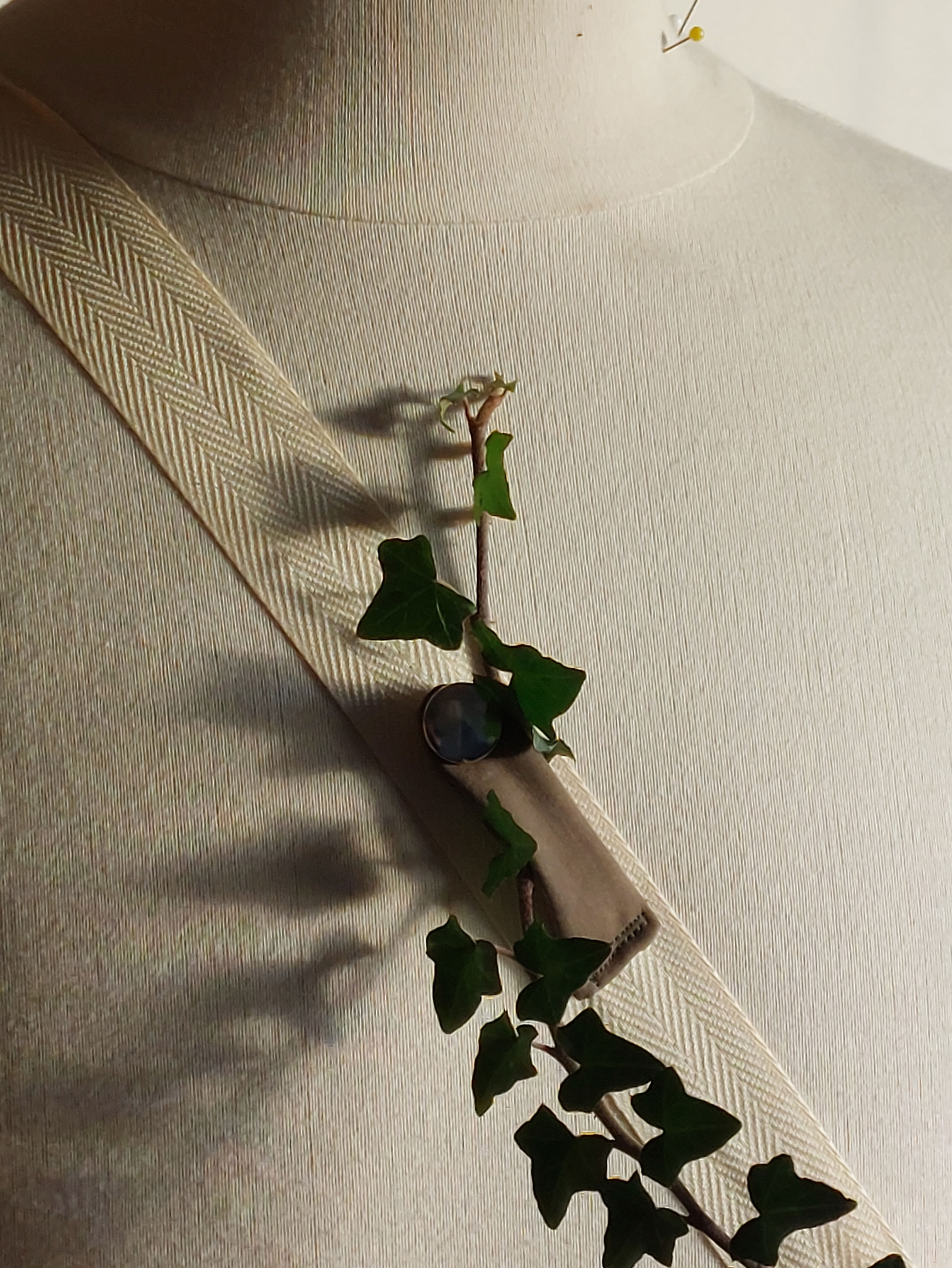
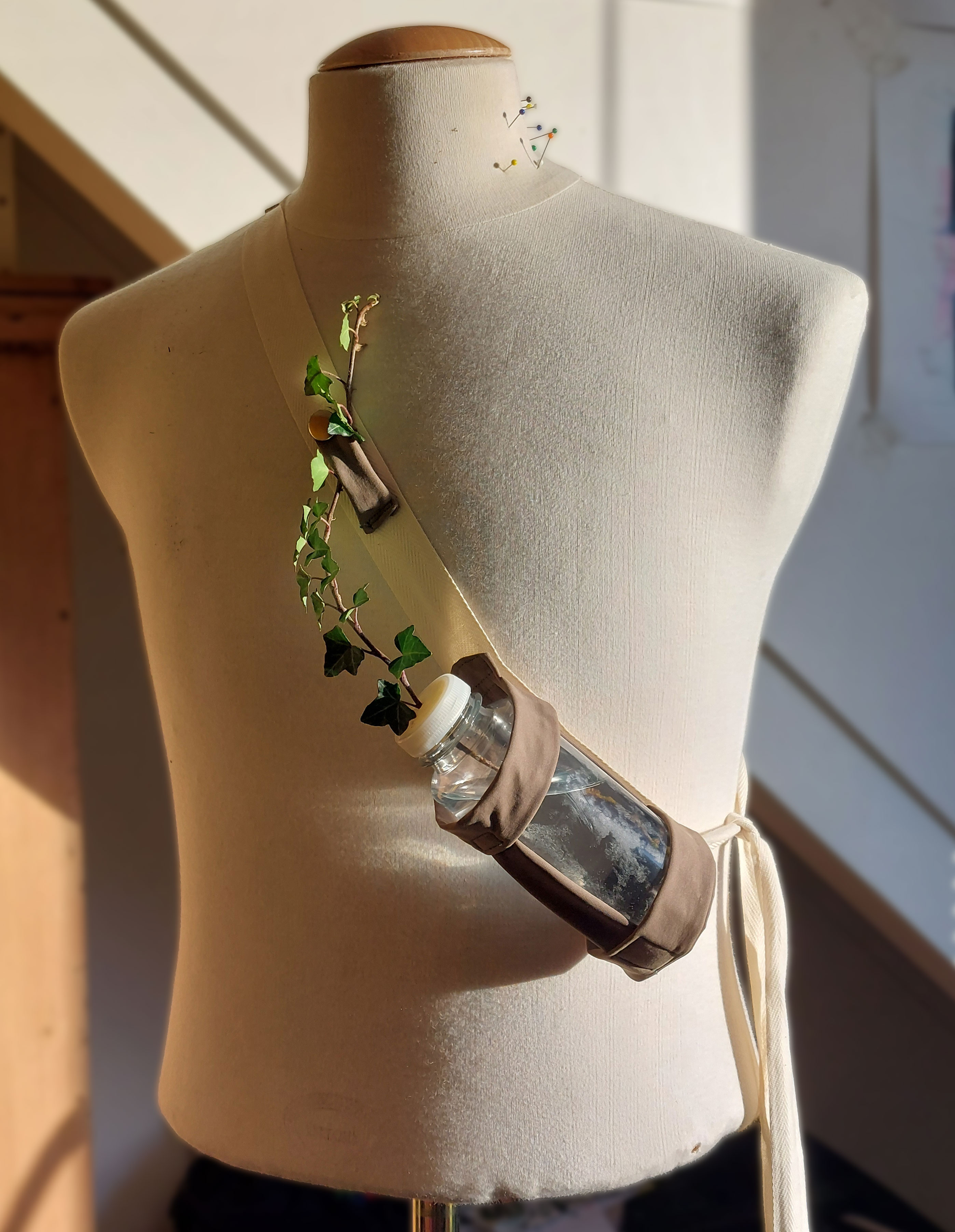
One of the living plant prototypes: A strand of ivy rooted in a bottle of water.
Growing moss on wool
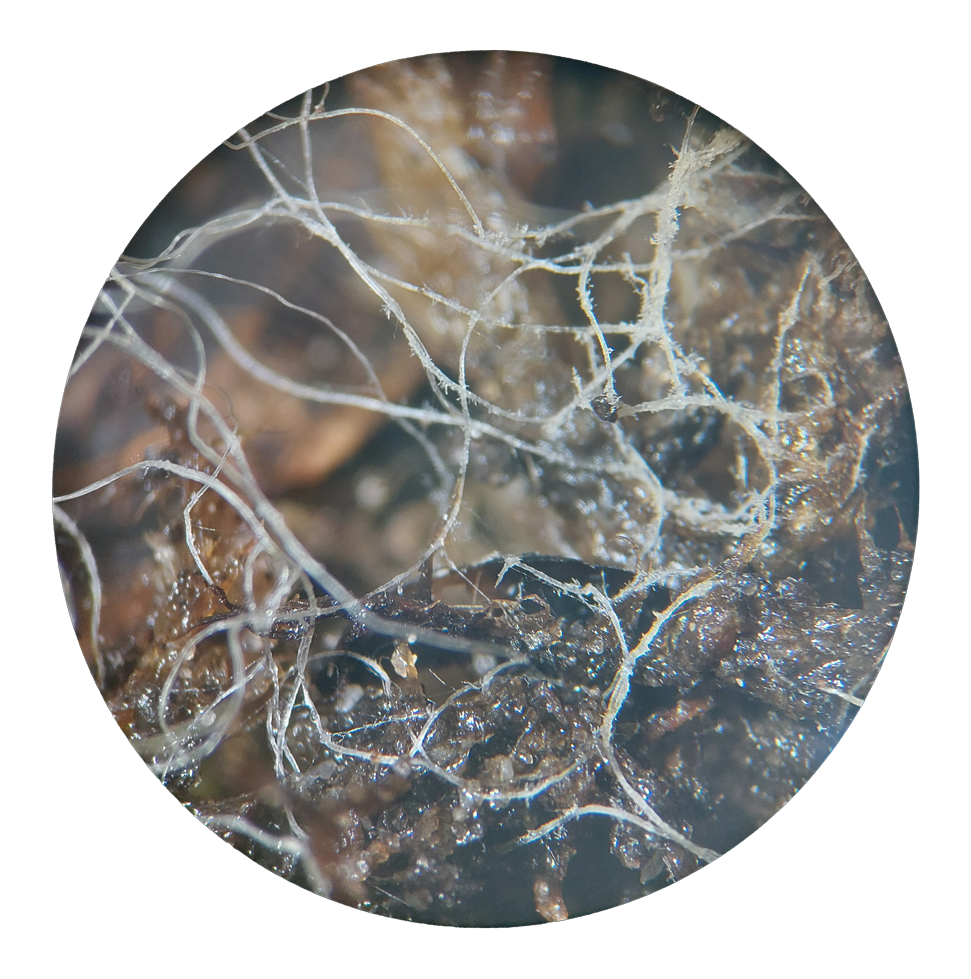
Moss is a nonvascular plant, which instead of roots, has rhizoids. The main role of rhizoids is physical attachment instead of also absorbing water and nutrients. This allows the moss to settle on surfaces where vascular plants cannot grow. This trait made it possible for the moss to inhabit Wander. The loosely felted wool poncho gave the rhizoids a place to latch onto.